Steps.
Nothing else.
One number, one ring, one goal. No coaching, no streaks, no badges for getting out of bed. It reads the step count your phone already records, and draws it plainly.
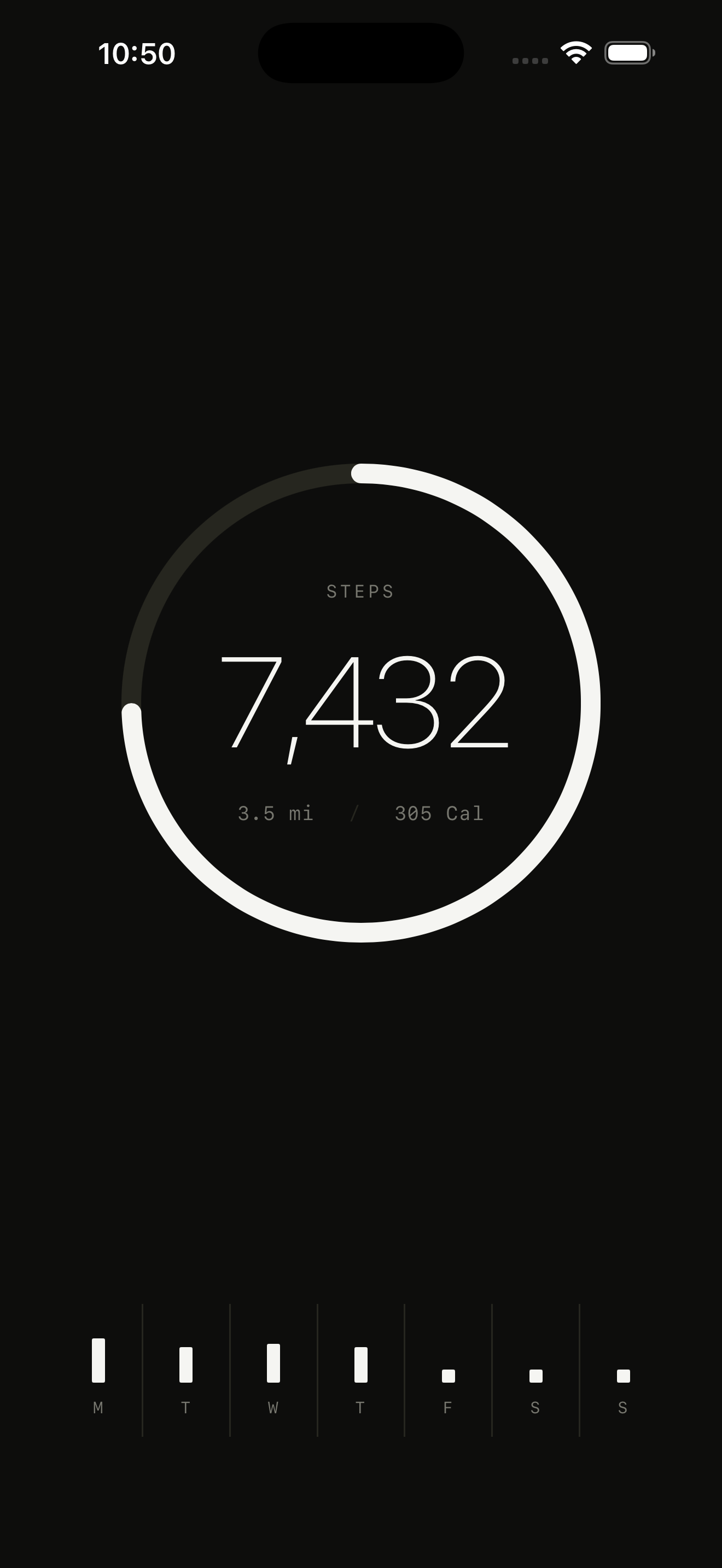
Four screens, and none of them ask you for anything.
Today is a ring and a number. The month is a square per day, darker the further you walked. Settings is one screen. That is the whole app.
Drag the line.
The app follows your phone. Long-press the ring, or use Settings, and it pins either way. Same screen, both appearances.
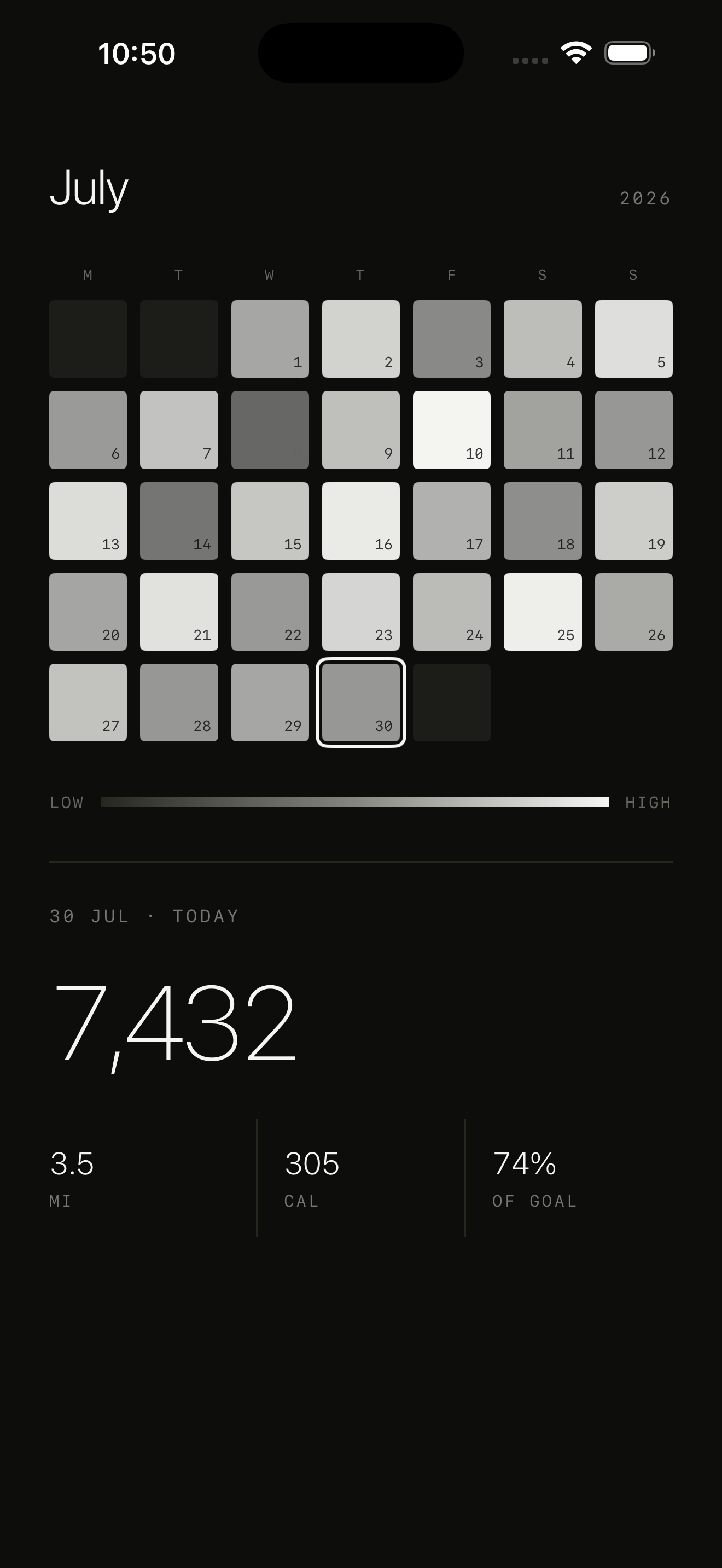
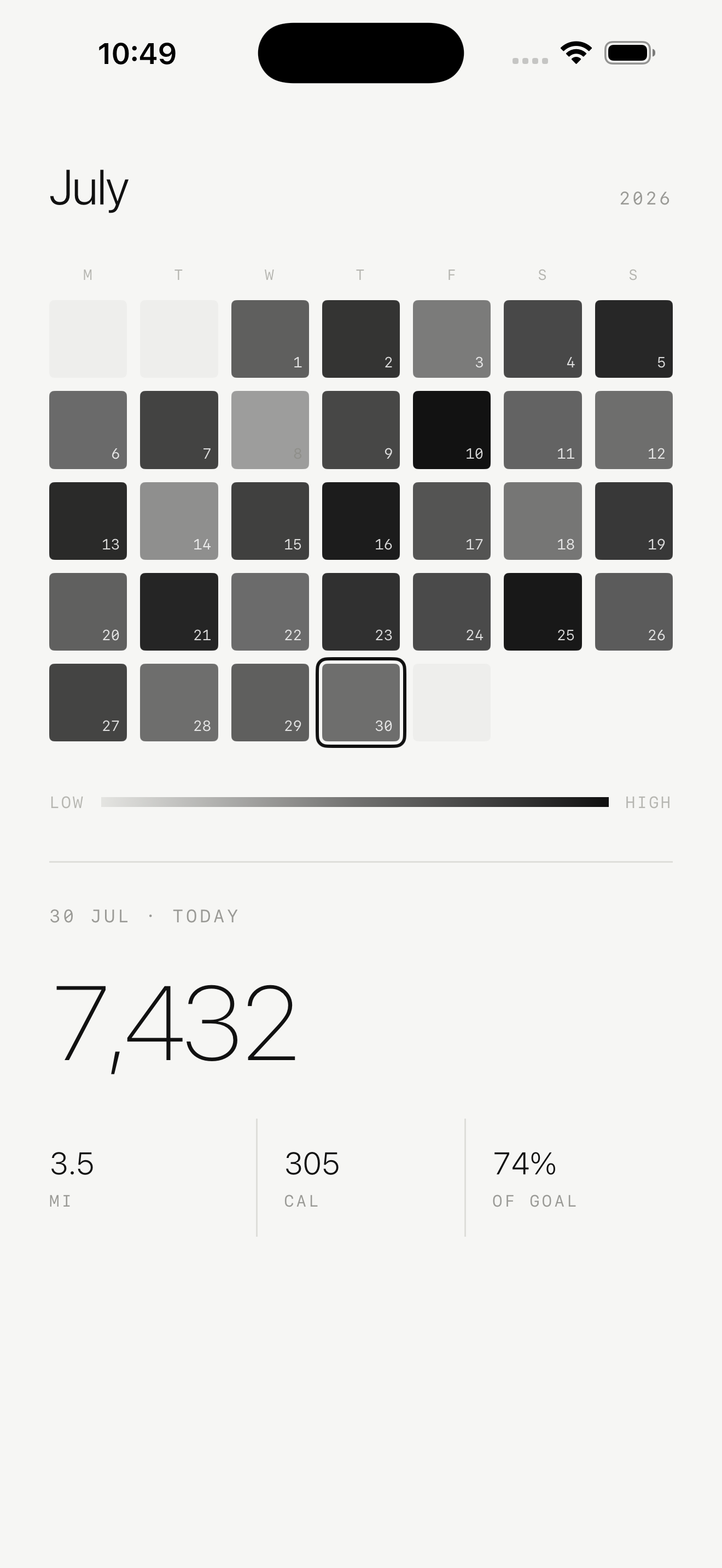
A square a day.
Darker the further you walked. Tap one — this is the real grid from the app, with the same shading rule.
Without opening anything.
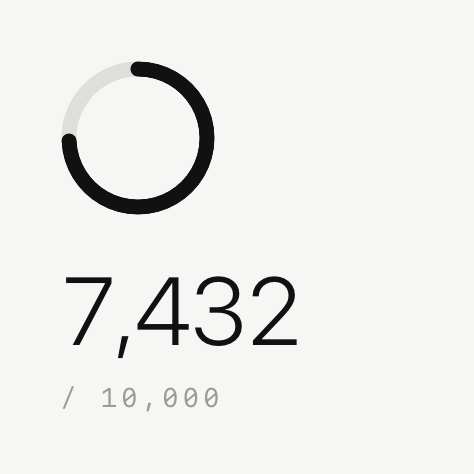
Home Screen and Lock Screen. Every one is a real render at its exact platform size — nothing here is drawn twice.
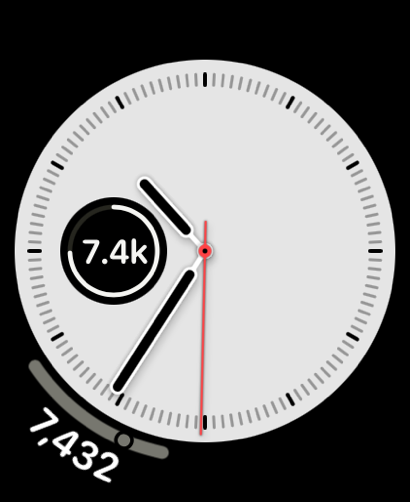
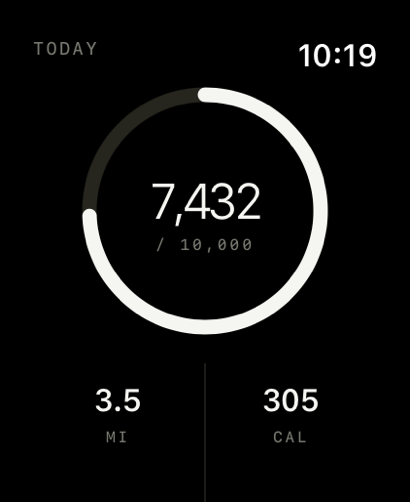
On your wrist, on the face.
A watch app, and complications for the corner, circular and rectangular slots — so the number is on your watch face without opening anything.
And, more to the point, what it doesn't.
Reads Health, and only reads it
Steps, walking and running distance, active energy. Tally never writes anything back to Health.
No account, no sign-up
There is nothing to create and nothing to log into. Open it and it works.
Your activity stays on your device
No analytics, no tracking, no third-party SDKs. The app keeps a copy on your phone so the widgets can draw, and that is the whole of it.
Light or dark
Follows your phone, or pin it either way. Long-press the ring for the fast version.
Free, with nothing held back
Every feature, no unlocks. Settings has a tip jar if you would like to support it; it changes nothing about the app.
The short version.
Tally Steps collects nothing. Your step data is read from Health, drawn on screen, and cached on your device so widgets and complications can render. It is never sent anywhere, because the app has nowhere to send it — there is no server.
That is the whole app.
Free, every feature, no unlocks. iPhone on iOS 17 and Apple Watch on watchOS 10, or later.